A Winter in Jeju
We came for the crater hikes. We stayed for the tangerine farmers, the haenyeo divers, and the slowest, softest week we've had in a long time.
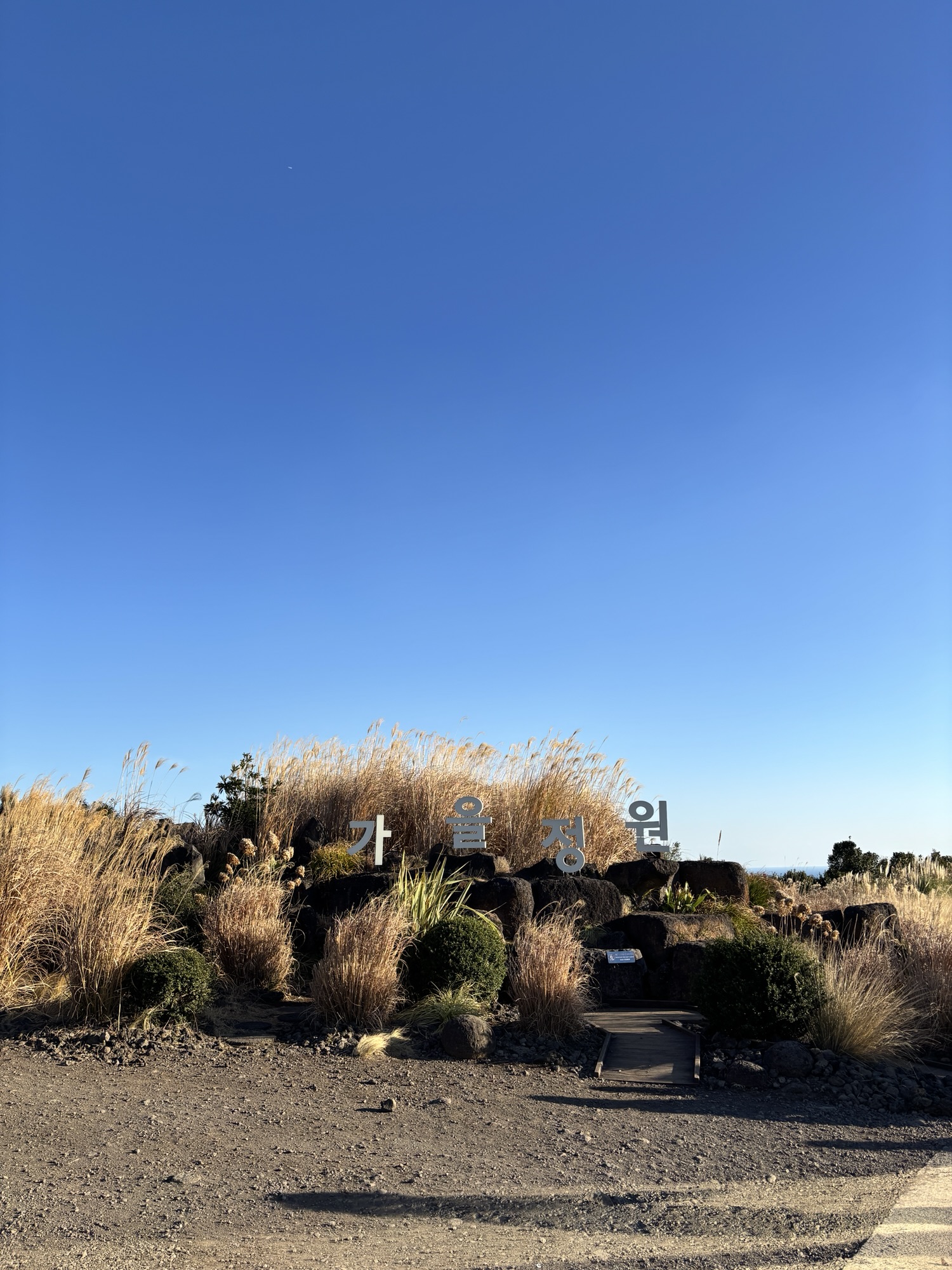
Everyone told us Jeju was Korea’s Hawaii. After a week there in the cold months, we think that undersells it. Hawaii doesn’t have grandmothers in wetsuits free-diving for abalone in February, and it doesn’t smell like a million tangerines ripening at once.
We landed with a tidy plan: sunrise at the crater, the two famous waterfalls, a coastal drive, done. What we actually did was mostly abandon the plan by day two and let the island set the pace.
The island runs on tangerines
You cannot escape the tangerine on Jeju, and you shouldn’t try. They’re stacked in crates outside every shop, pressed into juice, folded into chocolate, and hanging heavy off trees that spill right over garden walls. We paid a few thousand won to pick our own at a small farm near Seogwipo and left with sticky hands and a bag we finished before dinner.
The farmer, who spoke about as much English as we spoke Korean, mimed that the cold snap makes them sweeter. He was right. We’ve never tasted fruit like it.
Sunrise Peak earns the alarm
If you do one “tourist” thing, make it Seongsan Ilchulbong — Sunrise Peak — a tuff cone that rises straight out of the sea on the east coast. The climb is short, maybe twenty minutes of stairs, but in winter the wind at the top does its best to push you back down.
We got there before the crowds, watched the light come up over the water, and understood immediately why this crater is on every postcard on the island. Go early. Bring gloves. Thank us later.
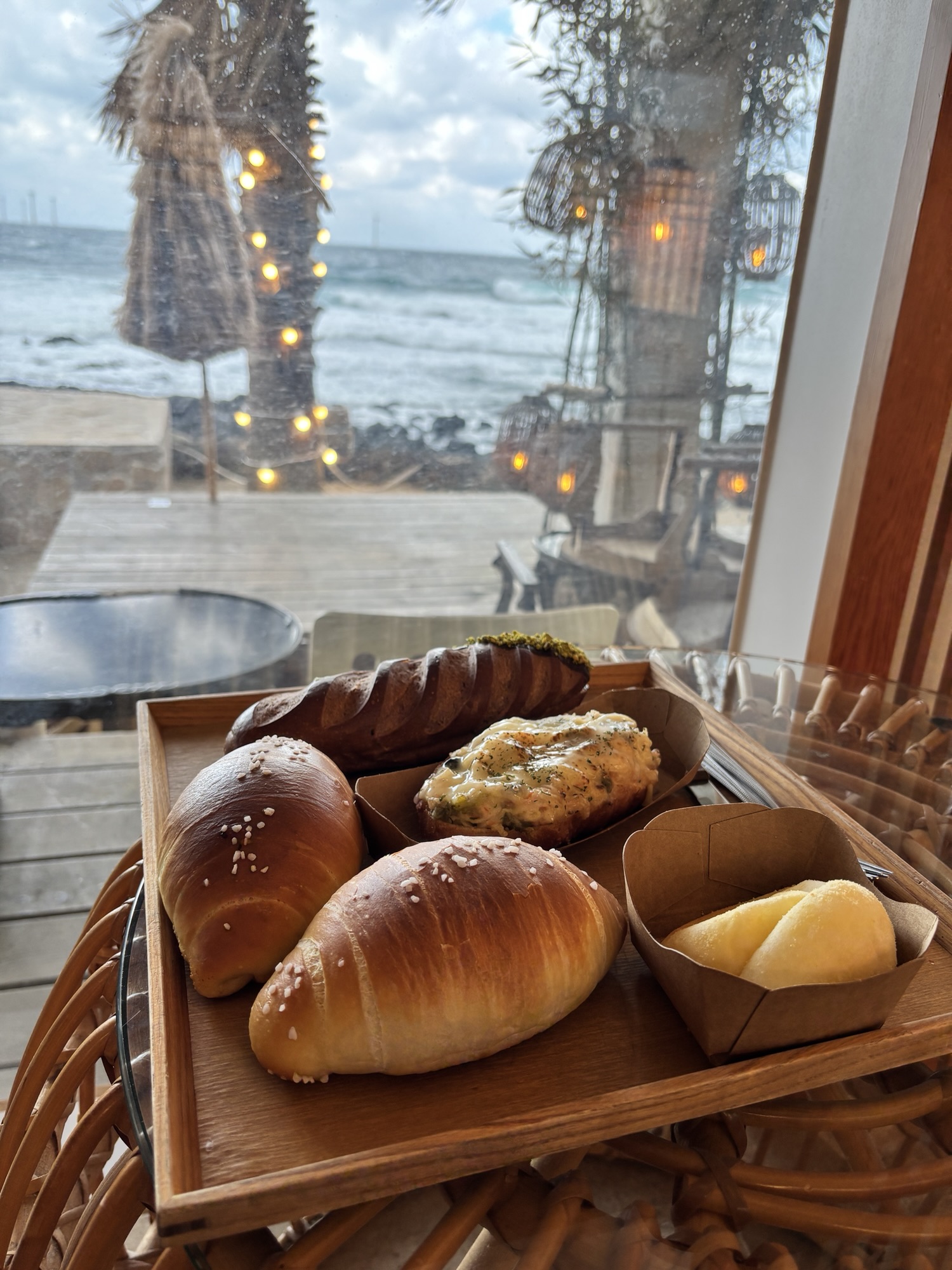
Some places you photograph. Some places you just stand in. Jeju’s coastline is the second kind — and we took far fewer pictures than we expected to.
The haenyeo will humble you
The moment that stuck with us most wasn’t a viewpoint. It was watching the haenyeo — Jeju’s famous “sea women,” many of them well into their sixties and seventies — walk into a freezing ocean with nothing but a wetsuit, a net, and a lifetime of lung training.
They’ve been free-diving these waters for generations, and their numbers are shrinking every year. If you get the chance to eat what they catch, fresh, at a stall by the harbour, take it. It felt less like a meal and more like a privilege.
What we’d do differently
- Rent a car. Jeju’s public transport is fine, but the best corners of the coast are the ones with no bus stop. We wasted half a day learning this.
- Go slow on the east. The east coast — Seongsan, Udo island, the quiet beaches — deserved more than the single day we gave it.
- Pack for wind, not just cold. The temperature is manageable. The wind off the sea is the thing that gets you.
The honest cost
Jeju isn’t the bargain it once was, but it’s still gentler on the wallet than mainland tourist hubs if you eat where the locals eat and skip the pricier resorts. Our week — mid-range guesthouse, rental car, more tangerines than is reasonable — came in well under what the same trip would’ve cost us in Tokyo.
We left already plotting a return, this time for the green season, when the fields go bright and the divers work the warmer water. Jeju didn’t dazzle us. It did something better — it slowed us down.
This is a sample story to show you how a post looks. Swap in your own Jeju write-up, photos and details from the CMS.
More Stories
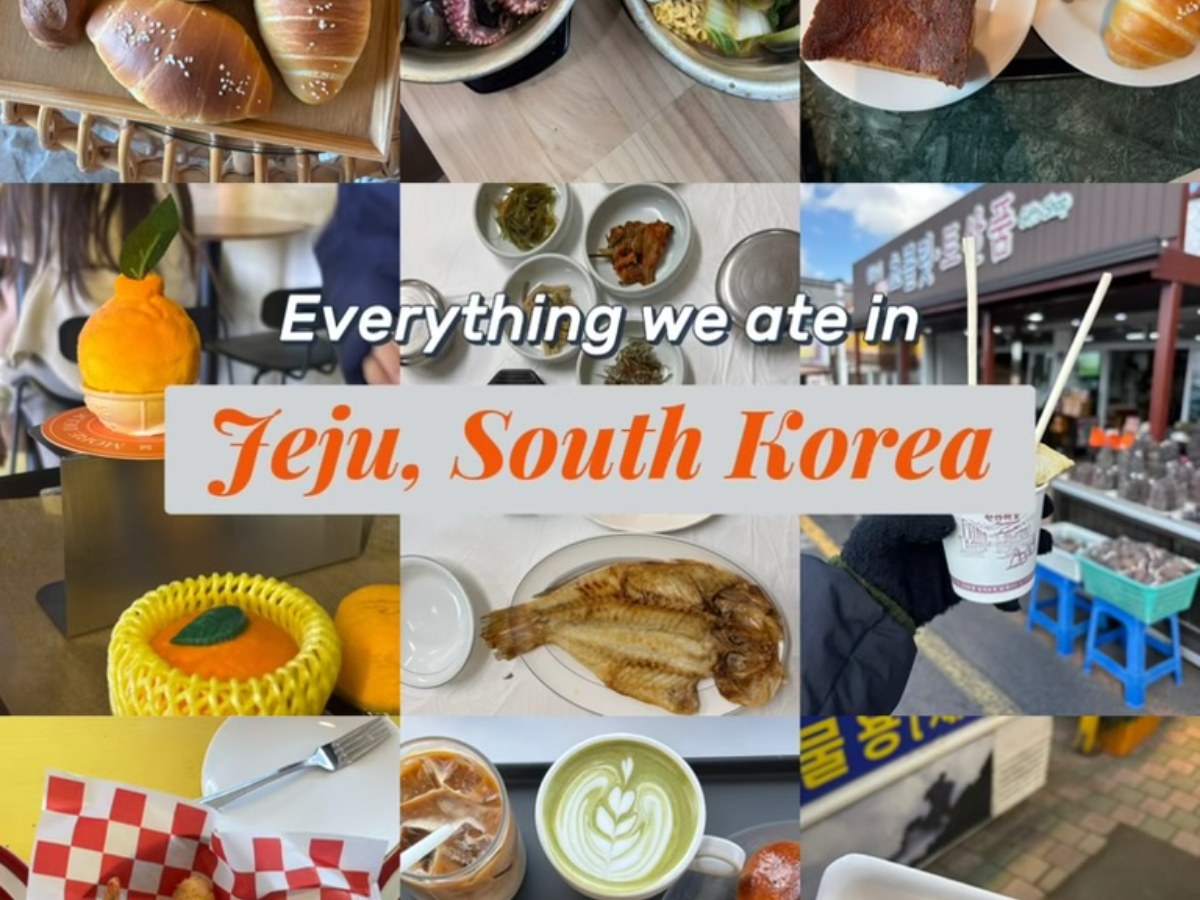
Everything We Ate in Jeju: 16 Food Spots to Try
Salt bread, seafood ramyeon, whole grilled cutlassfish and market hotteok. The 16 Jeju cafés, restaurants and street food stalls we loved.
Read the story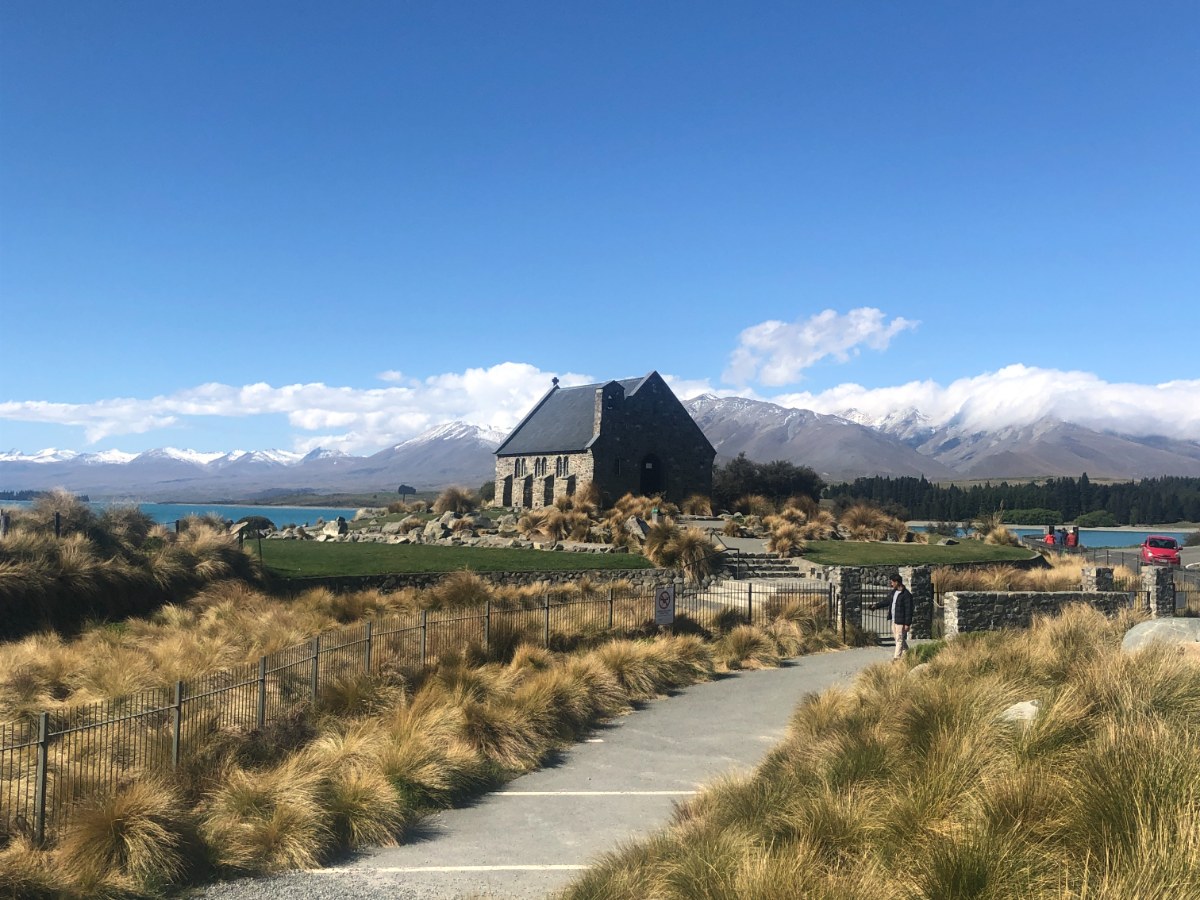
15 Days in New Zealand: Our North & South Island Road Trip
How two Indonesians living in Singapore finally did New Zealand: Auckland to Milford Sound and back to Christchurch, with the full route, what it...
Read the story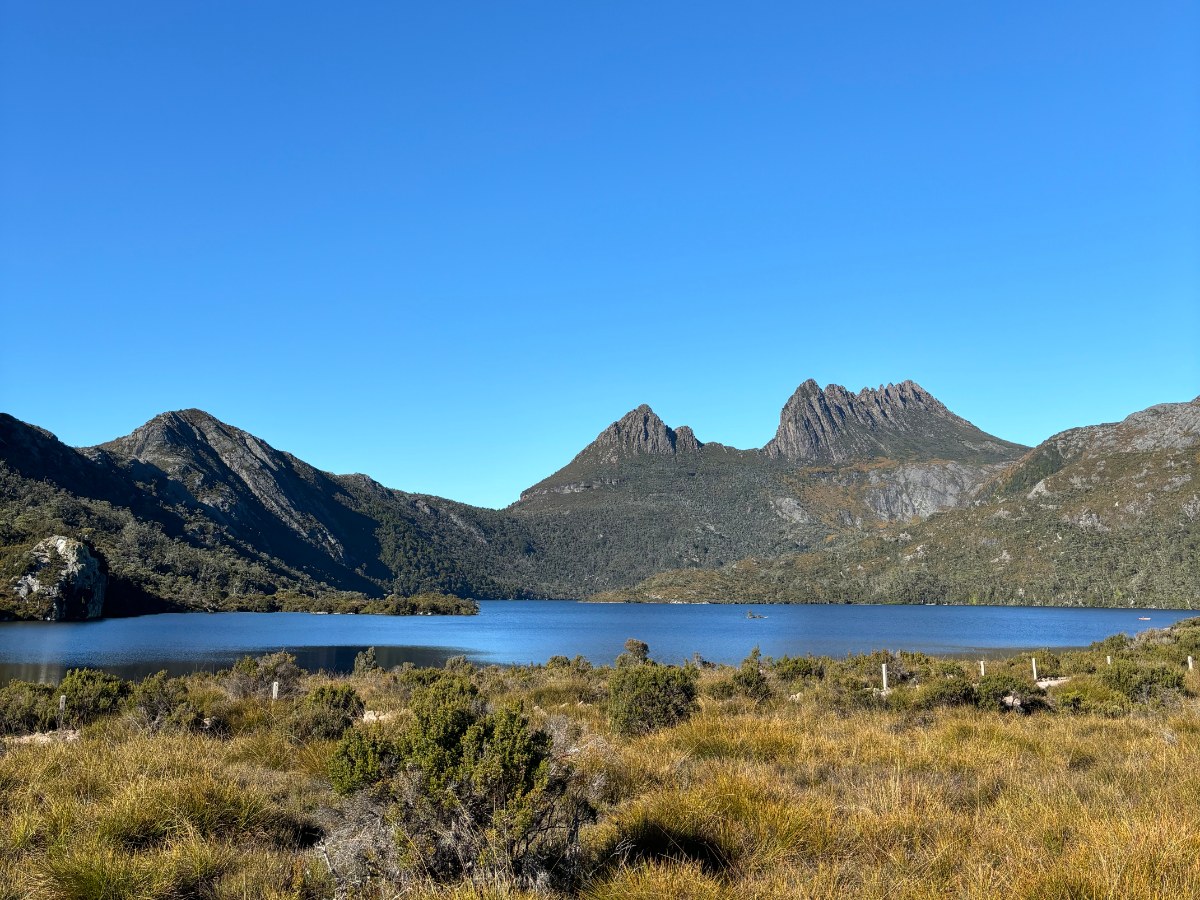
Tasmania, the Slow Road
Australia's island state doesn't shout. It waits — with empty roads, wild coastlines and a quiet that takes a few days to properly sink...
Read the story